The Rhythm Behind the Ecstasy
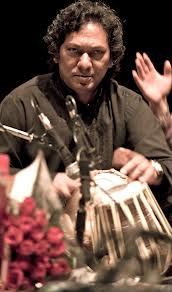
Ustad Dildar Hussain was born in 1957 in Kasoor, Pakistan. He has remained the best “ata wala tabla nawaz” (percussion player in the distinctive Ata style) of the century.
His remarkable career includes 30 years with Khansab Nusrat Fateh Ali Khan—the internationally renowned legend of Qawwali music and holder of the Guinness Book of World Records for the most recorded and released music.
Training Under the Masters
Ustad Dildar Hussain learned tabla from Ustad Allah Rakha Khan—the father and teacher of Ustad Zakir Hussain and the greatest tabla player of the last generation. This training under such illustrious masters shaped Dildar into one of the finest percussionists in the subcontinent.
His first public performance was in India in 1969, before joining Ustad Nusrat Fateh Ali Khan’s Qawwali party in 1971.
A Founding Member
Along with Farrukh Fateh Ali Khan (Nusrat’s brother), Dildar had been a member of the party since its formation in 1971. These two were the only musicians who remained with the ensemble throughout its entire existence.
The Distinctive Sound
Dildar Hussain does not play the traditional tabla that is commonly seen in Hindustani classical music. Instead, he plays a unique combination:
- Jori – A pair of drums used as the treble
- Dhamma – A larger drum used as the bass
This combination creates a deeper, warmer sound than the modern tabla set—a sound that became synonymous with Nusrat’s Qawwali and helped define its powerful, earthy energy.
International Collaborations
Ustad Dildar Hussain has succeeded internationally with fusion projects alongside various artists:
- Michael Brook – Canadian guitarist and producer
- Peter Gabriel – Legendary artist and founder of Real World Records
He has performed for critically acclaimed film soundtracks, including:
- Dead Man Walking (1995)
- Bandit Queen (1994)
- Last Temptation of Christ (1988)
Continuing the Legacy
Today, Dildar can sometimes be seen accompanying Rahat Nusrat Fateh Ali Khan, continuing the tradition he helped build decades ago.
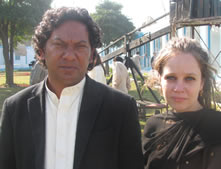
He has also taken on the role of mentor, serving as the tabla master of the renowned young western tabla player Amana Chisty Qawwal—ensuring that the distinctive rhythmic traditions of the Qawwali party continue to the next generation.
Learn more about the legendary ensemble
Explore The Ensemble →